
This heating process is called destructive distillation or coking. Factories heat the raw bituminous coal to roughly 1100 degrees Celsius. Because there is no oxygen, the coal cannot catch fire and burn.
Instead, the intense heat breaks down complex molecules inside the rock. It completely removes water, smelly tars, and volatile hydrocarbon gases. Factories often collect these gases to make valuable byproducts like coal tar.
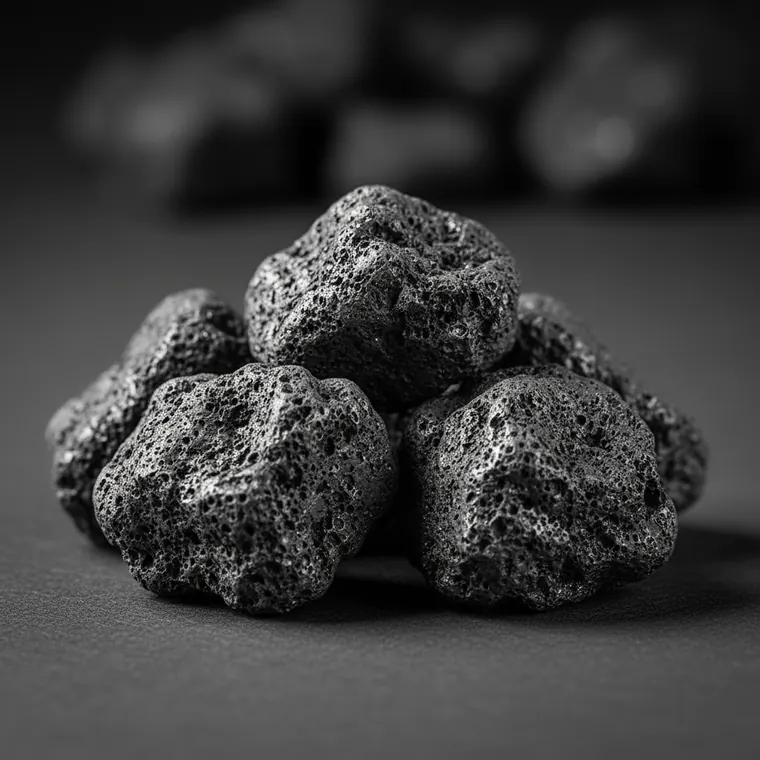
The solid chunk left behind is a strong, porous mass called coke. It contains 85 to 98 percent pure carbon along with some mineral ash. Coke is much better for heavy industry than raw coal.
It lacks the volatile gases and sulfur that make raw coal smoke. Therefore, it burns much hotter and leaves the air much cleaner. Its rigid, spongy structure is also incredibly important.
It can support the massive weight of iron ore in a furnace without crushing. These unique physical traits make coke indispensable in modern metallurgy. It serves three roles at once inside a blast furnace. It provides intense heat, physically supports the raw materials, and acts as a chemical reducing agent.