
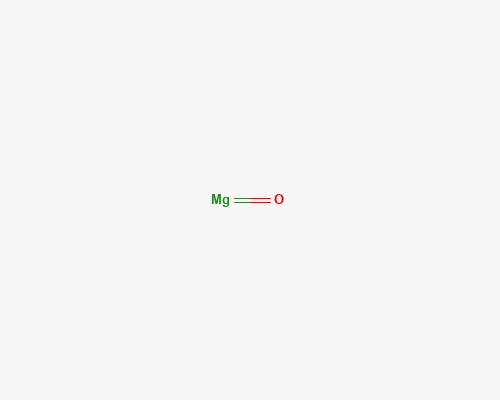
Magnesium oxide forms rapidly when pure magnesium metal burns in the presence of oxygen gas. This violent combustion produces a blinding white light and leaves behind a white powder. The compound consists of magnesium ions with a positive two charge and oxygen ions with a negative two charge.
These oppositely charged ions lock together in a repeating rock salt crystal structure. Very strong electrostatic forces hold the rigid lattice together tightly. This strong ionic bonding explains why magnesium oxide melts at over two thousand eight hundred degrees Celsius.
Students sometimes incorrectly assume that all metal oxides dissolve easily in pure water. Magnesium oxide is actually mostly insoluble in water. It does react very slowly with liquid water to create a weak base called magnesium hydroxide.
Because of this chemical behavior, chemists classify magnesium oxide as a basic oxide. Engineers use this durable compound heavily in heavy industry as a refractory material. A refractory material retains its physical strength and chemical stability at incredibly high temperatures.
Factories use it to line the inside of hot industrial furnaces and steel making crucibles. It also acts as a safe, effective electrical insulator in high temperature heating cables.